
Edits Tales

blog

blog

Video Editing Services

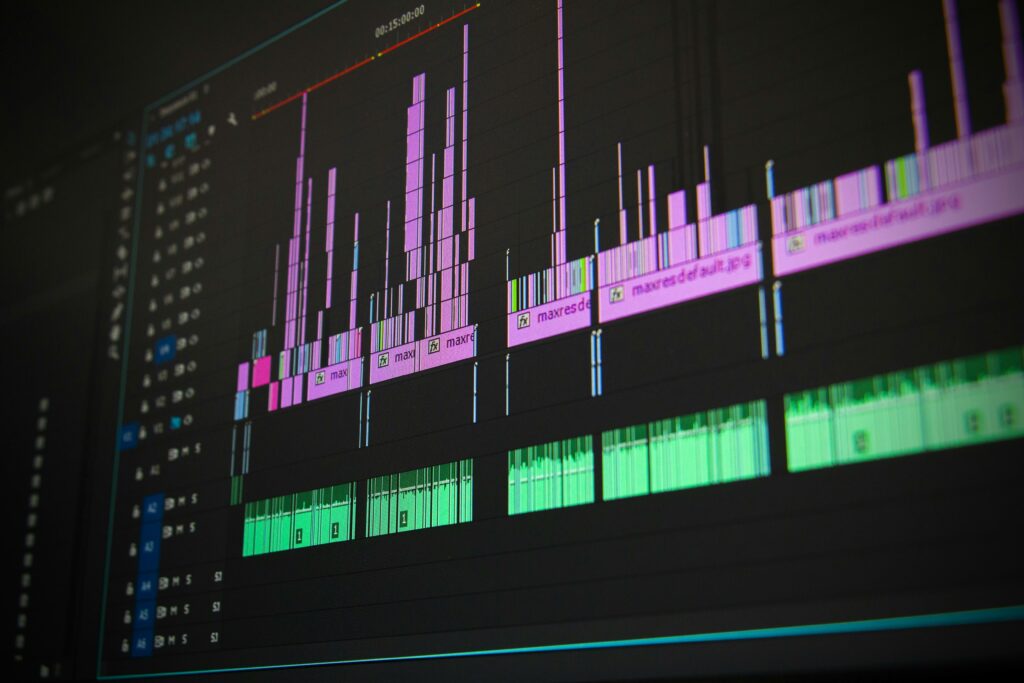
The Power of Video Editing Services: Why Quality Matters More Than Ever In the digital age, video content has become the king of online engagement. Whether it’s a corporate promotional video, a YouTube vlog, a wedding film, or a TikTok reel, high-quality video content stands out—and at the heart of it lies one essential component: video editing. While shooting great footage is critical, it’s what happens after the camera stops rolling that truly shapes a compelling story. That’s where professional video editing services come in. What Are Video Editing Services? Video editing services involve the post-production process of manipulating and rearranging video shots to create a finished product. This can include: Cutting and trimming clips Adding transitions and effects Incorporating music and sound design Color correction and grading Adding text, subtitles, or animations Syncing audio with visuals Stabilizing shaky footage Converting to different formats These services are offered by freelance editors, production studios, or specialized video editing companies. Some cater to individuals and small businesses, while others work with large corporations and media houses. Why You Might Need Professional Video Editing 1. Save Time and Resources Editing a video is a time-consuming process, especially if you’re aiming for a polished, professional result. Outsourcing the work frees up your time to focus on core business or creative tasks. 2. Get a Professional Look Professional editors know how to enhance raw footage, correct lighting issues, improve pacing, and give your video a cinematic or branded feel. This is crucial if you’re using videos for marketing, advertising, or public-facing content. 3. Consistency and Branding For brands, consistent video style, color grading, and transitions across content is key. A skilled video editor can help maintain this uniformity across campaigns or content series. 4. Access to Advanced Tools High-end editing tools like Adobe Premiere Pro, Final Cut Pro, and DaVinci Resolve come with steep learning curves. Video editing services not only have access to these tools, but the expertise to use them effectively. 5. Storytelling Expertise More than just cutting clips together, editors shape narratives. Whether it’s a 30-second ad or a 10-minute documentary, editors play a crucial role in telling stories that resonate with viewers. Types of Video Editing Services Depending on your needs, here are common types of video editing services: – Corporate Video Editing Used for internal communications, training, events, and promotional materials. These often require clean cuts, clear audio, and brand alignment. – Social Media Video Editing Short, engaging, and optimized for platforms like Instagram, TikTok, and YouTube. These videos often include captions, fast cuts, music, and mobile-friendly formats. – Event Video Editing Weddings, conferences, concerts, and sports events often require editing that captures emotional highs and tells a cohesive story. – Vlog and Content Creator Editing Many YouTubers and influencers outsource editing to maintain quality and post consistently. Editors help streamline the footage, add effects, and maintain the creator’s personal style. – Commercial and Advertisement Editing These need high production value, attention-grabbing pacing, and perfect timing. Video editing here is crucial in creating persuasive and emotionally engaging content. How to Choose the Right Video Editing Service When looking for a video editor or service, consider the following factors: 1. Experience and Portfolio Always review previous work. Make sure the style aligns with your vision and that they’ve worked on similar projects before. 2. Turnaround Time Timelines matter, especially for commercial or time-sensitive content. Ask about delivery times and revision policies. 3. Cost and Budget Prices can range from affordable freelancers to premium studio services. Be clear about your budget and understand what’s included—number of revisions, format delivery, licensing, etc. 4. Communication and Collaboration Look for someone who’s easy to work with, understands your goals, and is open to feedback. A good editor is not just a technician—they’re a creative partner. 5. Specialization Some editors are great at storytelling, while others specialize in fast-paced commercial content. Find someone whose strengths match your project type. DIY vs. Professional Editing: What’s Best? Many creators start editing their own videos using tools like iMovie, Canva Video, or CapCut. This works for basic needs and tight budgets. However, as your needs grow, especially in quality and scale, switching to professional editing can elevate your brand. Think of it this way: Just because you have a camera doesn’t mean you’re a photographer. Similarly, access to editing software doesn’t automatically make you an editor. There’s real value in trusting a professional with the final cut. Future of Video Editing Services With the rise of AI and automation, video editing is becoming more accessible—but not necessarily better. AI tools can speed up basic edits, but the art of storytelling, emotional nuance, and creative flair still require the human touch. Moreover, as video continues to dominate content marketing, the demand for editors who understand both aesthetics and strategy will only grow. Video editing is no longer just about putting clips together—it’s about delivering messages that convert, engage, and inspire. Final Thoughts Whether you’re a business looking to market your product, a content creator growing your audience, or an individual capturing life’s special moments, professional video editing services can take your content to the next level. In a noisy digital world, quality editing isn’t just a luxury—it’s a competitive advantage

blog

Cinematic video editing techniques

Cinematic Video Editing Techniques: How to Make Your Videos Look Like Movies Video Editing Formulas: How to Edit Your Videos Like a Movie Editing can often be considered the invisible art of visual storytelling. Editing is what takes the raw footage you capture and transforms it into emotionally compelling scenes. It is where stories come to life, and it is what separates an amateur video from a film that feels like it belongs on a Hollywood movie screen. No matter if it’s a short film, a video for a yt channel, or a cinematic travel vlog, if you can master video editing formulas, you can bring your storytelling to the next level, engage your audience, and capture every emotion you intend to project. Therefore, in this post, we’ll explore some of the most applicable video editing formulas, techniques, tools, and other best practices to assist you in the process of editing like a filmmaker. What are Movie-Style Editing Formulas? Cinematic (film) editing goes beyond cutting clips and transitions. It’s the process of developing a visual story that flows naturally from start to finish while controlling not only the emotional projection of each moment, but the control of attention — and a unique stylistic approach. Key aspects you’ll find in all the cinematic edits are: Visual storytelling Pacing and rhythm Emotional timing and tone Music & sound design Each of these aspects will be addressed with examples. Let us get into the best practices and formulas for you as a filmmaker editor. 1. Understanding the Successful Experience of Pacing is one of the most overlooked aspects of the editing process. Pacing refers to the speed and rhythm of your edits. What is Cinematic Video Editing? Cinematic editing goes beyond simply cutting together clips and adding transitions. It really involves creating a visual story that has natural flow, creates emotional response, and captivates the viewer; while evoking a specific artistic vision. Elements of cinematic editing are expressed in: – Visual storytelling – Fluidity and pacing – Emotional timing – shade grading and tone – Music & sound design Now let’s get into the techniques for creating that cinematic feel. 1. Master the Art of Pacing Pacing is one of the most neglected areas of editing — the speed and tempo your story unfolds. Fast pacing creates energy and tension (think of car chase scenes) Slow pacing builds feeling and dramatic weight (think of emotional or dialogue scenes) You can use cutting to the music’s beat or natural dialogue to help dictate pacing. Excellent editors understand how long to hold shot and when to cut away, making certain every single moment builds the mood of the scene. Pro Tip: You can also watch scenes of your favorite movies with the sound off. Watch how long a shot stays on screen, and how pacing is different in feeling vs. action scenes. 2. Employ J-Cuts and L-Cuts J-cuts and L-cuts are both important editing transitions which assist with creating a natural in-between scenes. J-cut: The next scene begins with the audio before the transition into the video occurs. L-cut: The previous scenes’ audio plays over the next scene’s video. Both techniques are nuanced, but they allow for subtle depth and flow as your edit feels seamless and cinematic. 3. Cinematic Color Grading The final step of shade grading is what gives the emotional tone to your video. Hollywood films have this unique, signature look due to shade grading — whether that’s a warm golden-hour haze or the cold feel of a blue-toned thriller. Steps for shade Grading: Correcting the shade: Make adjustments for exposure, contrast, white balance, and saturation. Creative shade: Apply LUTs (Look-Up Tables), or you can do manual shade grading to create a film look. Some popular cinematic shade styles: Teal and orange: A common style for action films. soft shade: Used in dramas or the dystopian feel. Warmer tones: When you want to evoke feelings of romantic or evocative scenes. Tools such as Leonardo Resolve,cap cut, or Final Cut Pro will give you a professional 4. Incorporate Meaningful Transitions While flashy transitions can be tempting, cinematic editing often favors purposeful, seamless transitions that serve the story. Examples: Match cuts (similar shapes or actions between scenes) Whip pans (fast camera movement hides the cut) Cross dissolves (used for emotional or time-based transitions) Motion-matched transitions (lined up movements between clips) Avoid overusing effects like zooms or spins unless they support the visual narrative. 5. Sound Design and Music Are Everything In cinematic editing, sound is 50% of the experience — maybe more. Great sound design enhances tension, emotion, and realism. Key components: Foley sound effects (footsteps, clothes rustling, etc.) Ambience and background noise (rain, traffic, birds) Music scoring (builds emotional arcs) Sound transitions (audio fades, swells, or abrupt cuts) Music should complement the mood without overpowering the scene. Use royalty-free libraries like Artlist, Epidemic Sound, or Audio Jungle to find cinematic scores. 6. Add Subtle Camera Movement and Cropping Cinematic editing often involves subtle motion that mimics real camera movement. Even if your footage was shot static, you can add life in post. Digital push-ins (slow zoom on a face for emotion) Pan-and-scan movements Aspect ratio cropping (21:9 for that widescreen film look) Just don’t overdo it. Gentle movement should enhance, not distract. 7. Maintain Continuity and Story Flow No matter how beautiful your visuals are, if the story doesn’t flow, the edit will fall flat. Ensure continuity between shots — lighting, position, wardrobe, and direction — so viewers stay immersed in the story. Use your editing to guide the viewer’s focus and build emotional momentum. A good editor removes what’s unnecessary and highlights what’s essential. . 8. Use B-Roll with Intention Cinematic videos typically feature b-roll to enhance the primary materials. Whether capturing ambience, viewer engagement, or details in closeup, b-roll adds richness and, in fact, can push the story forward. Example: If you are working on a travel vlog, you might use b-roll of waves, sunrises, or locals walking, in succession,

Creative
blog

creative media

The Power and Potential of Creative Media in the Digital Age In an increasingly digital world, creative media is not just a tool—it’s a language. From advertising campaigns and film productions to digital storytelling and social media content, creative media shapes how we perceive, interact with, and understand the world around us. It influences culture, inspires action, and creates immersive experiences across industries. But what exactly is creative media? And why is it becoming such a critical force in business, entertainment, education, and beyond? This blog explores the evolution, significance, and future of creative media in the digital age. What is Creative Media? Creative media refers to content that is produced through the use of creative and artistic skills, combined with digital tools and technology. It encompasses a wide range of formats, including: Video production and editing Graphic design Animation and motion graphics Photography Audio production Interactive media Virtual and augmented reality (VR/AR) Digital storytelling and content creation Creative media is often used in marketing, advertising, education, entertainment, journalism, and product design. It blends creativity with communication—helping individuals, brands, and organizations express ideas in compelling and visually engaging ways. The Evolution of Creative Media Creative media has evolved significantly over the last few decades, driven by rapid advancements in technology. Where once media was limited to print, radio, and television, today’s content creators have a virtually unlimited canvas at their fingertips. Some key milestones include: The Digital Revolution: The shift from analog to digital media transformed the creative process. Tools like Adobe Creative Suite, Final Cut Pro, and Canva enabled creators to produce high-quality content from anywhere. Social Media Platforms: Platforms like YouTube, Instagram, and TikTok democratized content creation. Anyone with a smartphone can now be a creator, leading to a surge in user-generated content. Streaming and On-Demand Media: Services like Netflix, Spotify, and Apple Music changed the way we consume media, putting content access in the hands of the audience. Immersive Technologies: With the rise of virtual reality (VR), augmented reality (AR), and interactive storytelling, creative media is becoming more experiential than ever. Creative Media in Business and Marketing Creative media plays a critical role in branding and marketing. In today’s competitive digital landscape, businesses must communicate their value in a visually engaging and emotionally resonant way. Key Applications: Brand IdentityLogos, color schemes, typography, and design language—all created and refined through creative media—help establish a brand’s personality and presence. Video MarketingVideos are now among the most effective forms of online content. From explainer videos to commercials and testimonials, they help companies connect with audiences on a deeper level. Social Media ContentCreative media drives engagement on platforms like Instagram, Facebook, and LinkedIn. Motion graphics, short reels, and branded visuals boost visibility and shareability. Product VisualizationHigh-quality photography, 3D models, and AR experiences are used to showcase products in interactive and innovative ways. Creative Media in Education and Social Impact Creative media is also a powerful educational and social tool. Visual and interactive content can simplify complex ideas, making learning more engaging and accessible. E-learning Platforms: Educational videos, animations, and infographics help students learn through storytelling and visualization. Public Awareness Campaigns: Nonprofits and government agencies use creative media to promote health, safety, and social justice messages. Interactive Simulations: VR and AR applications allow for immersive learning experiences—used in medical training, engineering, and historical education. Skills Required in Creative Media Industries Working in creative media demands a blend of technical expertise, creative vision, and strategic thinking. Some of the top skills include: Video editing and post-production Graphic and web design Storyboarding and scripting Sound design and audio editing UI/UX design Creative direction Digital marketing and SEO Project management Modern creative professionals often work across multiple tools and platforms, using software like Adobe Premiere Pro, Photoshop, After Effects, Blender, Figma, and more. The Future of Creative Media As artificial intelligence, automation, and real-time rendering technologies continue to advance, the creative media industry is undergoing a radical transformation. Some trends shaping its future include: 1. AI-Assisted Creativity AI tools can now assist with scriptwriting, video editing, image generation, and sound mixing—streamlining workflows and enabling rapid content production. 2. Personalized Media Experiences With data analytics and machine learning, creators can tailor content to specific audiences, increasing engagement and conversion rates. 3. Metaverse and Spatial Media The rise of the metaverse is opening doors to immersive, spatial storytelling—combining virtual worlds, avatars, and real-time interaction. 4. Sustainable Content Creation With a growing focus on environmental impact, sustainable media practices such as virtual production and remote collaboration are gaining traction. Conclusion: Creative Media as a Driver of Innovation Creative media is more than just art—it’s a strategic asset. Whether you’re a brand looking to tell your story, an educator trying to engage learners, or an entrepreneur building a digital product, creative media helps bring ideas to life in unforgettable ways. As the digital landscape continues to evolve, businesses and creators who invest in high-quality, purpose-driven creative media will be the ones who stand out, inspire, and lead the future.

blog

Edit Tales Industries: Merging Innovation with Imagination

Edit Tales Industries: Merging Innovation with Imagination In an age where content is king and storytelling shapes perceptions, Edit Tales Industries stands at the crossroads of creativity and technology — crafting stories that don’t just entertain, but inspire and innovate. What began as a small collective of visionary storytellers has evolved into a full-fledged creative powerhouse, dedicated to redefining the way narratives are built, edited, and shared. From short films and digital campaigns to branded content and immersive media, Edit Tales Industries has positioned itself as a cutting-edge studio where imagination meets innovation. The Genesis of a Creative Powerhouse Edit Tales Industries was born out of a simple idea: every story deserves to be told in the most compelling way possible. But in a digital world saturated with content, storytelling had to evolve. The founders recognized this early on. Rather than sticking to traditional formats, they sought to push boundaries by integrating advanced editing tools, visual storytelling techniques, and a deep understanding of audience behavior. What makes Edit Tales unique is its approach. The company doesn’t just “edit” tales — it transforms them. Whether it’s turning a raw script into a gripping short film or refining a brand’s message into an emotionally powerful ad, the team works at the intersection of art and technology. Blending Art with Technology At the core of Edit Tales Industries is a technology-forward mindset. In-house editors and creative leads use some of the most advanced software and tools available today — from AI-assisted editing platforms and motion graphics suites to virtual production and real-time rendering. But tools are only as powerful as the minds that wield them. At Edit Tales, each project is treated as a canvas. The team believes that great stories aren’t just told — they’re engineered, with precision, emotion, and insight. Their post-production process, for instance, isn’t just about cutting clips and adding effects. It’s a collaborative journey, involving writers, directors, sound designers, colorists, and digital artists — all working together to create seamless narratives that resonate with audiences across all platforms. A Diverse Portfolio That Speaks for Itself Over the years, Edit Tales Industries has built a diverse and dynamic portfolio, with projects spanning multiple genres and industries. From emotionally rich independent films to high-energy commercial content, each project showcases the studio’s signature style — clean, compelling, and creative. Their work in digital marketing campaigns for startups and established brands alike has received widespread recognition, particularly for its ability to humanize brand messages and create authentic connections with viewers. One notable example was their campaign for a sustainability-focused clothing brand, where Edit Tales combined cinematic storytelling with documentary-style editing to highlight the brand’s mission. The video not only boosted engagement but also deepened brand loyalty by aligning emotional storytelling with core values. Teamwork Makes the Tale Work A major factor behind Edit Tales’ success is its diverse, passionate team. Made up of editors, screenwriters, motion designers, sound engineers, and strategic creatives, the team shares a unified goal: to tell stories that move people. What sets the team apart is its collaborative culture. Everyone brings something unique to the table — whether it’s a fresh take on a storyboard or an experimental editing style that redefines a project’s tone. Leadership at Edit Tales encourages experimentation and continual learning. Workshops, creative sessions, and feedback loops are part of the regular workflow, ensuring that every team member is both growing professionally and contributing meaningfully. Pioneering the Future of Storytelling With the content landscape constantly evolving — especially with the rise of short-form content, immersive media, and AI-driven personalization — Edit Tales Industries is always looking ahead. The company is actively exploring new storytelling formats such as: Interactive videos Augmented and virtual reality experiences Narrative-driven social media content AI-powered video personalization for targeted messaging By staying on top of emerging technologies and audience trends, Edit Tales continues to evolve, adapt, and lead. Their mission isn’t just to keep up — it’s to set the pace. Beyond Business: A Creative Movement What makes Edit Tales Industries more than just a content studio is its commitment to empowering creativity at all levels. Through internships, workshops, and partnerships with educational institutions, the company invests in the next generation of storytellers. They also support independent creators by offering access to editing resources and mentorship opportunities. In many ways, Edit Tales Industries is not just a business — it’s a movement. One that believes in the power of stories to change perspectives, create empathy, and build a better world. Final Thoughts In a world inundated with noise, Edit Tales Industries chooses to create meaning. Through its unique blend of innovative editing techniques, storytelling expertise, and a deep understanding of modern audiences, the company continues to break new ground in the creative industry. As they look to the future, one thing is clear: Edit Tales isn’t just telling stories — they’re shaping the narrative of a new era. Interested in collaborating or exploring what Edit Tales Industries can do for your story?Stay tuned to their official channels, follow their latest projects, or reach out — because every great tale deserves an edit that makes it unforgettable.

Video Editing
blog

Video Editing

A Beginner’s Guide to Video Editing – Explained in Simple Words Video editing is an important part of creating videos. Whether it’s a YouTube vlog, a school project, a short film, or a business ad, editing helps your video look clean, interesting, and professional. But what exactly is video editing? Why is it important? And how can you get started? Let’s break it down in simple language. 1. What is Video Editing? Video editing is the process of taking raw video clips and arranging them to create a complete, final video. This includes cutting out unnecessary parts, adding music, placing text or subtitles, adding transitions between scenes, correcting colors, and much more. Think of it like making a sandwich. You have different ingredients like bread, veggies, sauces, and cheese (your video clips, sound, images, etc.). Video editing is putting them together in the best way possible to make a tasty sandwich – or in this case, an engaging video. 2. Why is Video Editing Important? Basic Video Editing Terms (Easy Definitions) Tools for Video Editing There are many video editing software options, both free and paid. Here are a few popular ones: For Beginners: For Advanced Users: If you’re just starting, try using free tools. They are simple and have enough features for most basic videos. Basic Steps to Edit a Video Let’s go through the steps you can follow to edit a video: 1. Import Your Media Open your video editor and bring in all your files – video clips, audio, images, etc. 2. Arrange Clips on the Timeline Drag your video clips onto the timeline in the order you want them to appear. 3. Trim & Cut Unwanted Parts Cut out mistakes, long pauses, or anything you don’t need. Keep the video clean and to the point. 4. Add Transitions Use transitions to move smoothly from one clip to the next. 5. Add Music or Sound Add background music or sound effects. Make sure the music isn’t too loud and doesn’t cover people talking. 6. Add Text or Subtitles You can add titles, captions, or subtitles if needed. It helps viewers understand the video better. 7. Color Correction If your video looks too dark or dull, you can adjust brightness, contrast, or colors. 8. Preview and Make Changes Watch your video from start to end. Make sure everything flows smoothly. 9. Export Your Video Once done, export or save your video in a format like MP4. Now you’re ready to upload or share it! Tips for Better Video Editing Can You Edit Videos on Your Phone? Yes! Mobile apps like CapCut, KineMaster, VN Editor, and InShot make it very easy to edit videos directly on your phone. They have drag-and-drop features and lots of filters and music. For social media content like Instagram Reels or TikToks, mobile video editing is perfect. Final Thoughts Video editing might seem confusing at first, but it gets easier with practice. Start small, explore different tools, watch tutorials on YouTube, and have fun with it. Whether you’re making a fun birthday video or starting a YouTube channel, editing is your secret weapon to making your content shine.    

Scroll to Top